
TMS Trends 2026: The Future of SaaS Software for Transportation Management
Today, technology is an intrinsic part of the operations of any company. Critical business processes—including transportation—are no longer conceived from a manual or traditionally driven perspective. Organizations have moved beyond the idea of “managing transportation the way it has always been done” and have embedded technology solutions as a core component to ensure efficiency, control, standardization, and operational continuity in increasingly complex environments.
In this context, companies that have implemented a TMS in recent years are no longer focused solely on basic functionality. Their attention is now on the evolution of these tools into more advanced platforms capable of delivering end-to-end visibility, more sophisticated optimization, and the ability to consider a growing number of variables that accurately reflect the reality of their business. Ultimately, they are seeking to place more technology at the service of decision-making, with the goal of continuously improving transportation management, anticipating uncertainty, and gaining competitiveness.
Below are the six key trends that organizations should consider in 2026 when evaluating the implementation of a modern TMS.
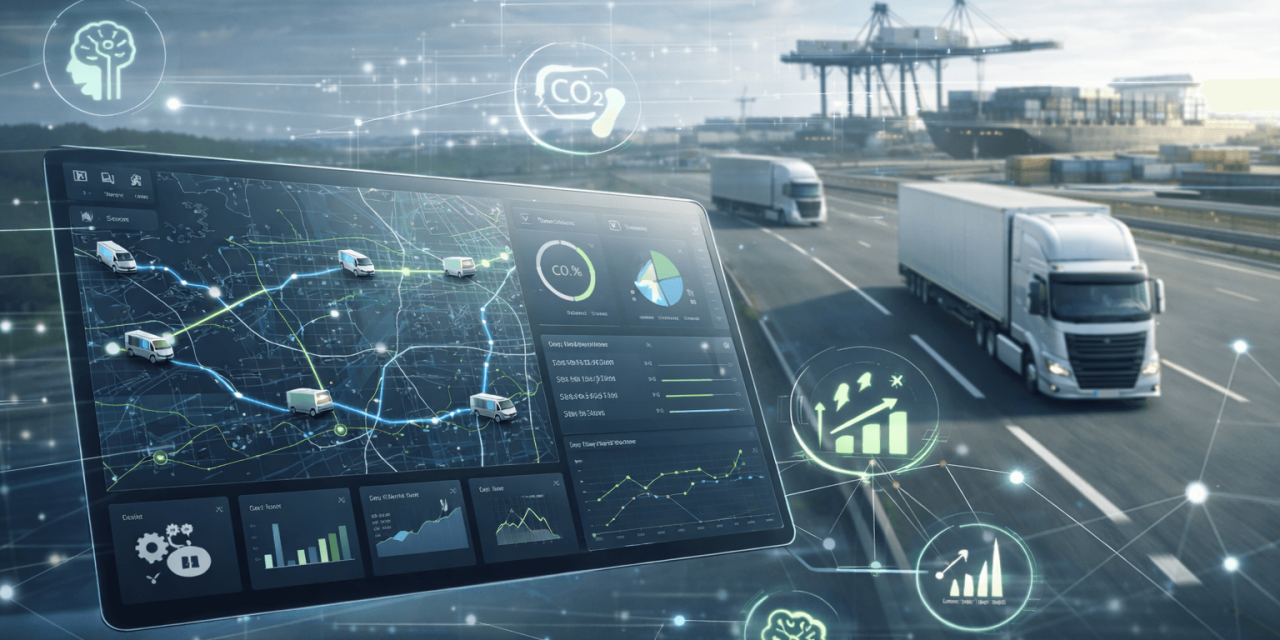
1. Artificial Intelligence and Machine Learning for Truly Proactive Forecasting
Next-generation TMS platforms incorporate advanced Artificial Intelligence (AI) and Machine Learning (ML) models that go far beyond static route planning.
Machine learning delivers value by identifying how users adjust transportation plans and applying those learnings to similar future scenarios. Artificial intelligence, however, opens an entirely new dimension for TMS: from route forecasting to relevant user recommendations and AI agents that assist users within the platform to extract maximum value from the system.
These capabilities are designed to anticipate disruptive events before they impact transportation operations. Examples include road closures due to protests or demonstrations, extreme weather events, heavy-vehicle restrictions based on day and time, recurring congestion patterns, or alternative routes for vehicles carrying loads that cannot pass through tunnels.
From the user’s perspective, the value lies not only in detecting potential issues, but in the system’s ability to respond automatically—recalculating routes, adjusting delivery windows, and proposing viable alternatives in real time. This shifts transportation management from a reactive to a predictive model, reducing disruptions, penalties, and hidden costs.
2. Integration with Telematics and Vehicle Data Solutions
The boundary between TMS planning and real-time execution is increasingly blurred through native integration with telematics platforms. By 2026, companies expect their TMS to receive direct and continuous data from vehicles and drivers, without relying on complex integrations or custom developments.
This includes real-time tracking, monitoring of driving and rest hours, fatigue detection, driving behavior analysis, and control of critical vehicle variables such as engine temperature or harsh braking. For sensitive industries such as food and pharmaceuticals, real-time monitoring of temperature-controlled cargo with automatic alerts will be a standard capability—not a post-delivery check.
Telematics providers such as Geotab or Samsara offer comprehensive solutions that can be easily integrated into a TMS. The result is improved safety, regulatory compliance, and operational control, with decisions based on real data rather than assumptions.
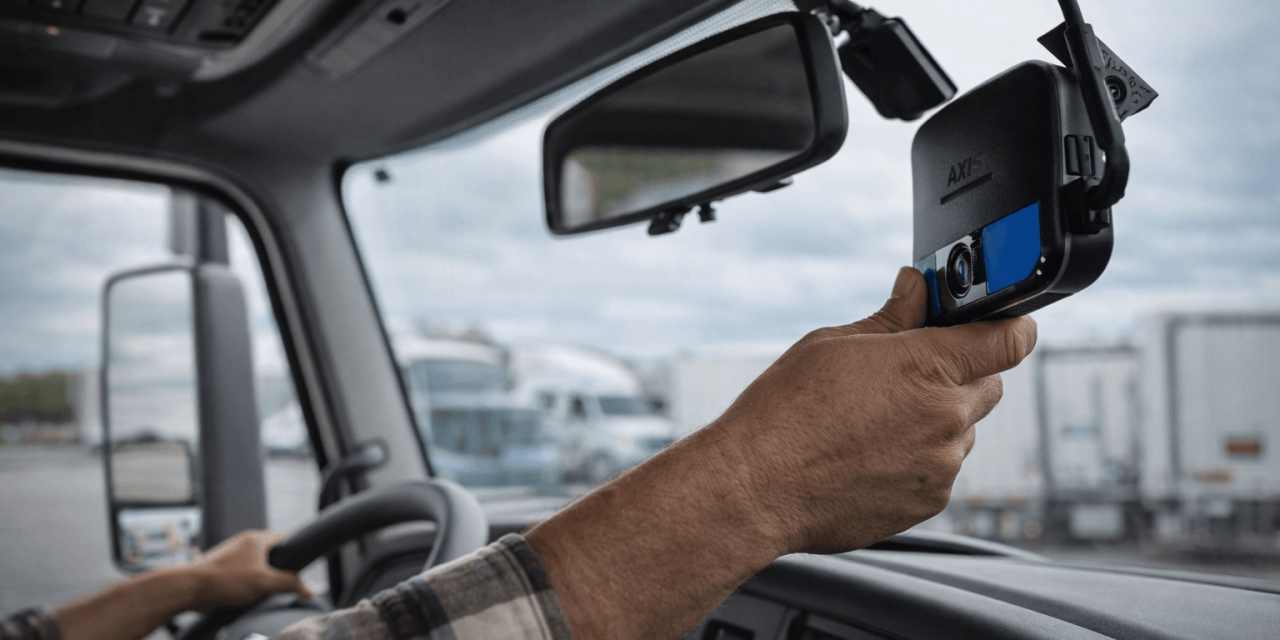
Telematics platforms also enable insight into whether drivers are speeding, driving aggressively, showing signs of fatigue, or if the vehicle’s mechanics indicate a potential failure. All of this information can be fed into the TMS to provide continuous visibility and monitoring of cargo throughout the journey.
3. Connectivity and Collaboration in Open Digital Ecosystems
One of the major limitations of traditional TMS solutions is their closed, siloed approach. The trends for 2026 point toward collaborative platforms where shippers, carriers, logistics providers, partners, and authorities can interact within a shared digital environment.
This ecosystem approach enables seamless and secure sharing of order information, capacity availability, shipment status, and documentation. For companies sourcing transportation services, this translates into greater visibility, reduced operational friction, and more efficient capacity management—especially in highly volatile environments.
Collaboration is no longer managed through emails or manual exchanges, but directly through the TMS as a single coordination hub. A clear example of this evolution is Blue Yonder TMS and its integration with One Network.
4. Holistic Integration and the Elimination of Data Silos
A modern TMS cannot operate in isolation. By 2026, organizations are seeking full integration across the entire supply chain ecosystem: ERP, WMS, planning systems, visibility platforms, and financial tools.
The objective is to eliminate data silos and latency, ensuring that all systems operate on a single, consistent version of operational reality. This enables faster, more aligned decision-making across planning, execution, and post-execution analysis.
For organizations, this holistic integration translates into greater agility, reduced manual effort, and a clear improvement in the quality of information used to manage transportation operations.
5. Sustainability as Decision Criteria
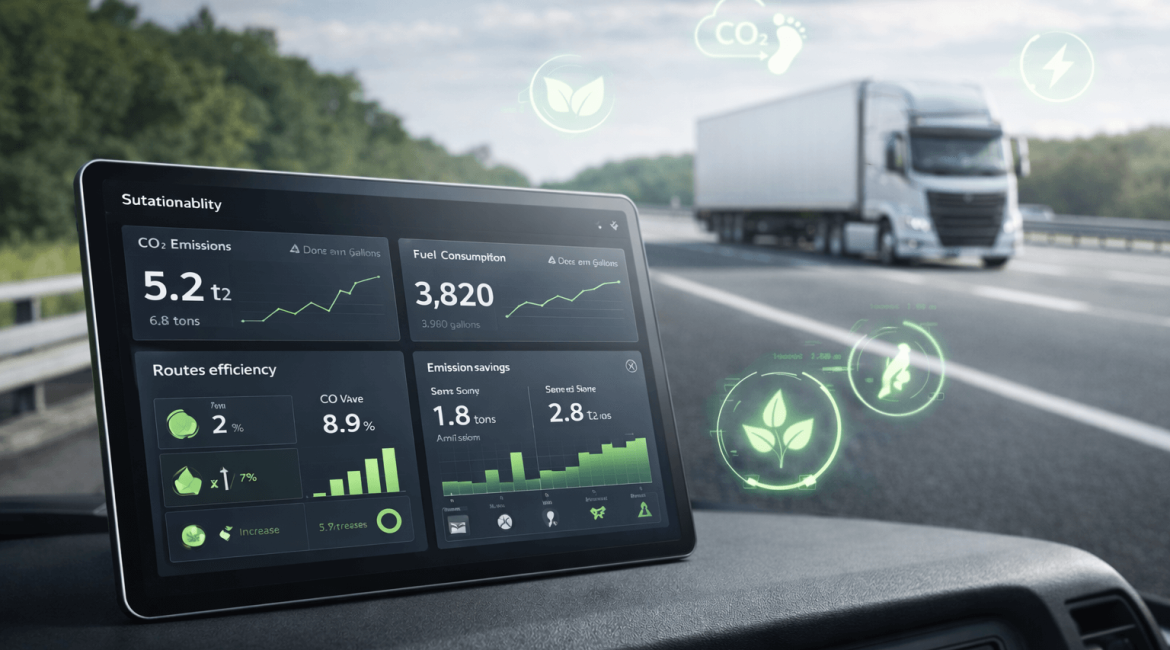
Sustainability is no longer a post-execution reporting metric; it becomes a fully integrated variable in daily decision-making. Next-generation TMS platforms include capabilities to calculate, report, and optimize CO₂ emissions by shipment, route, carrier, or transportation mode.
By 2026, companies expect their TMS to compare scenarios not only based on cost and transit time, but also on environmental impact—supporting regulatory compliance and ESG commitments. This includes selecting more sustainable transportation modes, intelligent load consolidation, and route optimization from an environmental perspective.
In addition, greater emphasis will be placed on execution and its actual environmental impact. Sustainability will not be limited to what is planned and its expected impact, but also to the real outcomes of transportation execution.
As a result, the TMS becomes a key enabler for turning sustainability objectives into concrete operational actions.
6. Predictive and Prescriptive Analytics for Smarter Decisions
Analytics capabilities are evolving from basic historical reporting to advanced predictive and prescriptive intelligence. A modern TMS no longer only shows what has happened—it anticipates future transportation demand, identifies upcoming risks, and recommends optimal actions across different scenarios.
This may include recommendations for load consolidation, carrier selection, transportation mode changes, or planning adjustments during demand peaks. For users, the value lies in transforming data into actionable decisions, reducing reliance on manual analysis and improving the consistency and quality of operational decisions.
Conclusion
Investing in a TMS requires looking beyond basic transportation execution. Organizations that will gain the greatest advantage are those that adopt platforms capable of anticipating disruptions, enabling collaboration, integrating holistically, and supporting intelligent decision-making—while aligning operational efficiency, resilience, and sustainability.
The TMS is evolving from a transactional system into a core supply chain orchestrator, designed for an increasingly complex and demanding environment where technology will be the key differentiator in transportation optimization and visibility.
Start the digitisation of your supply chain with the help of our team of accredited professionals and advisors, who will be with you from the selection and evaluation of solutions, to implementation, technology administration and assistance.
